
August - November 2026 BAMT 203 - Leadership in the Church Course By Dr. Charles Ayieko
Category SCHOOL OF MISSION & THEOLOGY
Last Updated 08/29/2026
2 Lesson
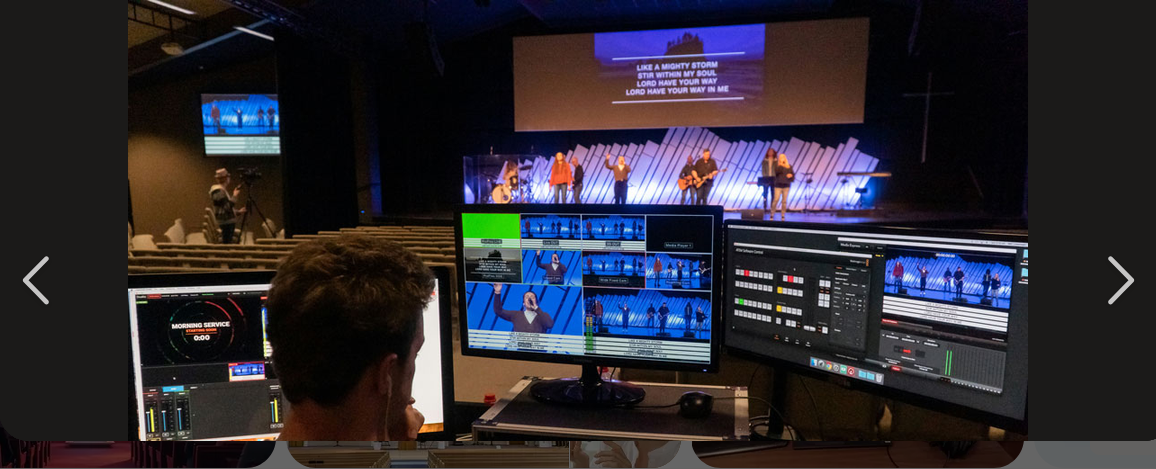
August - November 2026 BAMT 204 - ICT for Ministry and Church Administration Course By Mr. Erick Masaba
Category SCHOOL OF MISSION & THEOLOGY
Last Updated 08/26/2026
2 Lesson
August - November 2026 BAMT - 202 Biblical Hermeneutics and Preaching Course By Mr. Erick Masaba
Category SCHOOL OF MISSION & THEOLOGY
Last Updated 08/26/2026
2 Lesson
August - November 2026 BAMT 205 - Practical Theology and Missional Living Course By Dr. JOHN MWITI
Category SCHOOL OF MISSION & THEOLOGY
Last Updated 08/26/2026
2 Lesson

August - November 2026 BAMT 201 Church-State Relations and Advocacy Course By Dr John Mwiti
Category SCHOOL OF MISSION & THEOLOGY
Last Updated 08/26/2026
2 Lesson
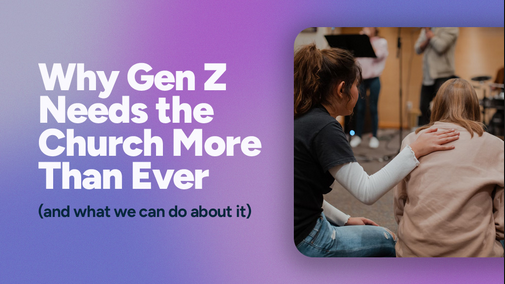
BAMT-108 Gen Z and the Church By Dr. Mwiti
This course provides a comprehensive analysis of the New Testament church, focusing on distinguishing between cultural expressions and transcultural principles. Students will evaluate 21st-century church practices against apostolic models, utilizing Gez’s research on "sharpening the focus" to foster mature, healthy, and mission-oriented church communities.
Category SCHOOL OF MISSION & THEOLOGY
Last Updated 05/06/2026
2 Lesson
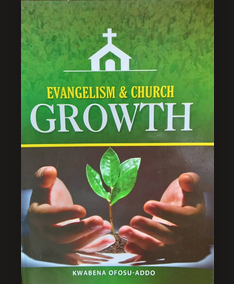
BAMT-109 Evangelism and Church Growth By Dr.Mwiti
This
course provides a biblical, theological, missiological, and practical introduction
to the ministry of church growth and renewal. It equips students to lead
healthy, reproducing, gospel-centered churches.
Category SCHOOL OF MISSION & THEOLOGY
Last Updated 05/09/2026
2 Lesson
BAMT-210 Ministry Internship Practical Training DR MWITI
BAMT-210 is a
supervised field-based course designed to bridge the gap between classroom
instruction and real-world ministry practice. Students are placed in approved
ministry settings — such as local churches, parachurch organizations, or
community outreach programs — where they engage in hands-on ministry activities
under the guidance of a qualified site supervisor. Through direct participation
in ministry roles, students develop and refine practical skills in areas such
as preaching,
Category SCHOOL OF MISSION & THEOLOGY
Last Updated 05/06/2026
2 Lesson

BAMT-207 Theology of Worship and Sacraments DR MWITI
This course provides a theological and historical examination of Christian worship and the sacraments as central expressions of the life and faith of the Church. Students will explore the biblical foundations of worship, the development of liturgical practice across Christian traditions, and the theological significance of the sacraments as means of grace. Special attention is given to the sacraments of Baptism and the Eucharist, as well as the rites associated with marriage, ordination, reconciliation, and anointing of the sick.
Topics include the theology of the church year, the structure and planning of weekly worship, the role of ritual in forming Christian community, and the pastoral responsibilities of ministry leaders in leading congregational worship. Students will also examine ecumenical perspectives on sacramental theology and consider how worship shapes and reflects the identity of the Church in the world.
Category SCHOOL OF MISSION & THEOLOGY
Last Updated 05/06/2026
2 Lesson

BAMT-206 Christian Ethics and Social Justice. DR MWITI
This course explores the foundations and applications of Christian ethical principles within the context of social justice. Students will examine biblical teachings, theological perspectives, and historical Christian responses to issues such as poverty, inequality, human rights, and environmental stewardship. Through critical analysis and reflection, learners will consider how Christian values shape individual and collective actions toward creating a more just and compassionate society. The course encourages students to engage with contemporary challenges and develop informed, faith-based approaches to social justice in their communities and the wider world
Category SCHOOL OF MISSION & THEOLOGY
Last Updated 05/06/2026
2 Lesson
BAMT-106 The Role of the Church in National
The Bachelor of Arts in Mission and Theology program is a comprehensive 2-year degree designed to equip students with the theological knowledge, ministry skills, and leadership capabilities necessary for effective service in the church and community. The program includes practical training in church leadership, mission strategies, youth engagement, and church-state relations, with an emphasis on understanding the Kenyan Constitution and the role of the clergy in national development. Additionally, the program integrates an ICT module to prepare students for utilizing digital tools in ministry and church administration.
Category SCHOOL OF MISSION & THEOLOGY
Last Updated 05/06/2026
4 Lesson
BAMT-209: Christian Counseling and Pastoral Care
Category SCHOOL OF MISSION & THEOLOGY
Last Updated 05/06/2026
4 Lesson
BAMT-208 Cross-Cultural Ministry and Evangelism By Dr. Charles
Course
Description
This course equips students with the biblical foundations, theological
frameworks, and practical skills necessary for effective ministry and
evangelism across cultural boundaries. Drawing from the Great Commission
(Matthew 28:18-20) and the missionary examples found throughout the New
Testament, students will examine how the Gospel is communicated,
contextualized, and lived out among diverse peoples and cultures. Emphasis is
placed on understanding cultural worldviews, overcoming cross-cultural
communication barriers, and developing culturally sensitive evangelism
strategies. Topics include the theology of missions, cultural anthropology as
it relates to ministry, worldview analysis, the role of the local church in
global outreach, and methods for discipling new believers in cross-cultural
contexts. Students will also evaluate historical and contemporary approaches to
world evangelism and their effectiveness. Practical ministry experience and
reflection are integral components of the course.
Category SCHOOL OF MISSION & THEOLOGY
Last Updated 05/06/2026
4 Lesson
BAMT-110 Entrepreneurship for Ministry Leaders By Dr. Charles
This course equips ministry leaders with entrepreneurial skills to enhance sustainability, creativity, and innovation in ministry. It integrates biblical stewardship principles with modern entrepreneurship practices, enabling leaders to initiate, manage, and grow ministry-related projects and enterprises that impact communities and support kingdom advancement.
Category SCHOOL OF MISSION & THEOLOGY
Last Updated 05/06/2026
2 Lesson
BAMT-107 Christian Leadership and Ethics By Dr. Charles
Category SCHOOL OF MISSION & THEOLOGY
Last Updated 05/07/2026
4 Lesson

ML 602 :Philosophy of Christian Leadership
Key Topics:
Classical philosophical foundations (Plato, Aristotle, Augustine)
Servant leadership and transformational leadership models
African leadership philosophy (Ubuntu and communal leadership)
Power, authority, and legitimacy in ministry
Moral philosophy and ethical decision-making
Category SCHOOL OF MINISTRY & LEADERSHIP
Last Updated 03/07/2026
4 Lesson00:30:34 Hrs

ML 601: Advanced Theological Foundations for Ministry
Advanced theological foundations begin with understanding theology not merely as an academic discipline but as a living, reflective engagement with God’s self-revelation. Theology, derived from theos (God) and logos (word/discourse), is the disciplined articulation of faith seeking understanding (fides quaerens intellectum). At the PhD level, theology must be both critically rigorous and spiritually formative.
Category SCHOOL OF MINISTRY & LEADERSHIP
Last Updated 04/06/2026
3 Lesson00:30:20 Hrs

Cultural Theory and Analysis Notes
Cultural Theory and Analysis examines the conceptual frameworks used to interpret culture, power, meaning, identity, and social transformation. At the doctoral level, this course moves beyond descriptive cultural observation and engages critically with theoretical traditions that have shaped contemporary cultural inquiry.
Category SCHOOL OF MINISTRY & LEADERSHIP
Last Updated 02/13/2026
4 Lesson01:15:14 Hrs

CCS 704: Cross-Cultural Communication
Cross-cultural communication refers to the study and practice of communication across cultural boundaries. At the doctoral level, it is not limited to language differences but involves deep engagement with symbolic systems, power relations, identity construction, worldview assumptions, and socio-political contexts that shape meaning-making.
Category SCHOOL OF MINISTRY & LEADERSHIP
Last Updated 02/13/2026
2 Lesson00:10:45 Hrs

CCS 703: Culture and Globalization
Culture and globalization are deeply intertwined processes that shape contemporary social, political, economic, and religious life. At the doctoral level, the study of culture and globalization requires moving beyond simplistic narratives of “global integration” toward critical analysis of power, identity formation, transnational flows, and epistemic transformation.
Category SCHOOL OF MINISTRY & LEADERSHIP
Last Updated 02/13/2026
3 Lesson01:24:04 Hrs

CCS 702: Research Methods in Cross-Cultural Studies
Research in Cross-Cultural Studies (CCS) involves the systematic investigation of cultural similarities, differences, interactions, and transformations across societies. At the doctoral level, research must move beyond descriptive comparison toward theoretical innovation, methodological rigor, and ethical reflexivity.
Category SCHOOL OF MINISTRY & LEADERSHIP
Last Updated 02/13/2026
2 Lesson00:56:16 Hrs

CCS 701: Foundations of Cross Cultural Studies
Cross-cultural studies as a scholarly field emerged from the intersection of anthropology, sociology, history, theology, linguistics, and later psychology and political science. Its development reflects broader intellectual shifts in how scholars have understood culture, difference, and human interaction.
Category SCHOOL OF MINISTRY & LEADERSHIP
Last Updated 02/13/2026
2 Lesson00:46:05 Hrs
CAM 801 Foundations of Church Administration
This unit explores the biblical, theological, and organizational foundations of church administration and leadership. Drawing from Scripture, historical church models, and classical principles of organization, the unit examines how God has structured His church to function with order, authority, accountability, and mission focus.
Students will critically engage with leadership structures, governance systems, ministerial authority, and administrative processes within the church, with particular attention to the relationship between spiritual leadership and organizational effectiveness. The unit equips doctoral students with the capacity to lead, govern, and administer church institutions with integrity, theological depth, and strategic wisdom in diverse and contemporary ministry contexts.
Category SCHOOL OF MINISTRY & LEADERSHIP
Last Updated 02/03/2026
2 Lesson
BAMT 205 - Practical Theology and Missional Living
BAMT 205 - Practical Theology and Missional Living Course Description
Purpose: Equip students to integrate theological reflection with practical ministry and missional engagement in contemporary contexts.
Core Focus Areas:
o Practical Theology: Spiritual leadership, pastoral care, preaching, worship, and community formation.
o Missional Living: Living out faith in secular culture, cultural engagement, and mission in everyday life and church settings.
Course Highlights:
o Exploration of church transitions amid cultural shifts and secularization.
o Practical training in preaching, worship leadership, and compassionate ministries.
o Missional practices for living faith authentically in work, family, and public life.
Category SCHOOL OF MISSION & THEOLOGY
Last Updated 04/06/2026
4 Lesson

BAMT 204 - ICT for Ministry and Church Administration Course
Prepare students to lead and innovate in church administration by leveraging technology for evangelism, discipleship, and community engagement.
Category SCHOOL OF MISSION & THEOLOGY
Last Updated 02/06/2026
4 Lesson
January - March 2026 BAMT 203 - Leadership in the Church by Dr. Charles Ayieko
Category SCHOOL OF MISSION & THEOLOGY
Last Updated 07/13/2026
4 Lesson

BAMT - 202 Biblical Hermeneutics and Preaching
Biblical Hermeneutics & Preaching: Course Description
- Equip yourself with a reliable, Spirit-guided process to interpret Scripture accurately—understanding the original historical, cultural, and linguistic contexts before applying God’s Word today.
- Learn to bridge the gap from biblical text to contemporary preaching through sound exegesis, theological insight, and effective communication techniques.
- Develop skills to handle Scripture rightly, ensuring sermons are faithful to the author’s intent and powerfully relevant to modern listeners.
- Gain confidence in interpreting literal and figurative passages, using research tools, and addressing today’s moral and spiritual challenges with biblical truth.
- Prepare to teach, preach, and lead with humility and clarity, restoring trust in the transformative message of God’s Word.
Category SCHOOL OF MISSION & THEOLOGY
Last Updated 02/06/2026
4 Lesson
BAMT-201: Church-State Relations and Advocacy
Church-State Relations and Advocacy: Course Overview
- Explore the dynamic interaction between religious institutions and government, understanding historical shifts like the French Revolution’s secular reforms and their lasting impact on modern governance.
- Learn how faith communities engage in advocacy to influence public policy, promote religious freedom, and champion social justice grounded in biblical principles.
- Gain practical skills in legislative advocacy, effective communication with elected officials, and civil discourse to become a confident, impactful advocate.
- Connect with real-world advocacy programs and resources, including voter engagement initiatives and faith-based lobbying strategies, empowering you to bring about meaningful change in your community and beyond.
- Ideal for those seeking to deepen their understanding of the complex church-state relationship and to actively participate in shaping policies that reflect their values.
Category SCHOOL OF MISSION & THEOLOGY
Last Updated 01/29/2026
4 Lesson

Practical Ministry and Community Outreach course Outline
Practical Ministry and Community Outreach Course Description
- Equip yourself to serve your community effectively through hands-on ministry and outreach training.
- Learn to assess community needs, develop strategic ministry plans, and engage diverse populations with compassion and cultural sensitivity.
- Gain practical skills in volunteer coordination, fundraising, disaster preparedness, and holistic health ministry.
- Apply biblical principles to real-world challenges, fostering sustainable impact and meaningful connections.
- Prepare for leadership roles in local churches or nonprofit organizations with a curriculum designed for immediate community transformation.
- Join a dynamic learning experience combining theological foundations with actionable outreach strategies to live out your faith in service.
Category SCHOOL OF MISSION & THEOLOGY
Last Updated 02/06/2026
4 Lesson
BAMT-104: Introduction to the Kenyan Constitution and Church Law
Category SCHOOL OF MISSION & THEOLOGY
Last Updated 02/06/2026
5 Lesson
BAMT-102: Theological Foundations of Mission
Theological Foundations of Mission: Course Description
- This course explores the biblical and theological principles underpinning Christian mission, emphasizing God’s global purpose to glorify Himself through the gospel among all nations.
- Students will develop a God-centered understanding of missions rooted in Scripture, engaging with key biblical texts like the Great Commission and the missional nature of God.
- The course integrates historical perspectives, theological reflection, and practical ministry skills to equip learners for effective participation in global and local mission efforts.
- Emphasis is placed on cultivating a missionary mindset that transforms heart and attitude, fostering passion, cultural sensitivity, and biblical faithfulness in evangelism and church planting.
- Learners will engage with influential theologians and missionaries, study case examples, and apply biblical theology to contemporary mission challenges.
- By course completion, students will be prepared to articulate a biblical rationale for missions, understand its centrality to the church’s life, and actively contribute to God’s mission in diverse contexts.
Category SCHOOL OF MISSION & THEOLOGY
Last Updated 02/19/2026
4 Lesson
BAMT 103 Principles of Church Administration
Category SCHOOL OF MISSION & THEOLOGY
Last Updated 02/25/2026
4 Lesson
BAMT-101: Introduction to Biblical Studies
Category SCHOOL OF MISSION & THEOLOGY
Last Updated 01/28/2026
4 Lesson

INTRODUCTION TO GREEK
COURSE DESCRIPTION
This graduate-level course provides an in-depth introduction to Koine Greek, the language of the New Testament and early Christian writings. It is designed to develop a foundational competence in Greek grammar, syntax, and semantics while cultivating the skills necessary for exegetical analysis and hermeneutical application of biblical texts.
The course integrates linguistic study with theological reflection, emphasizing how nuances in Greek grammar affect the interpretation of key biblical passages.
Category SCHOOL OF MISSION & THEOLOGY
Last Updated 11/06/2025
2 Lesson

CONFLICT AND PEACE STUDIES
This course provides an advanced examination of the theories, dynamics, and practices of conflict and peacebuilding at local, regional, and international levels. It explores the philosophical, psychological, sociological, and theological dimensions of conflict, while emphasizing analytical and practical approaches to resolution and transformation. Students engage with advanced case studies, policy frameworks, and peacebuilding models to develop competence in managing and transforming conflicts within complex socio-political and faith-based contexts.
Category SCHOOL OF MISSION & THEOLOGY
Last Updated 11/06/2025
2 Lesson

CONTEMPORARY LEADERSHIP MANAGEMENT
COURSE DESCRIPTION
This course explores modern concepts, theories, and practices in leadership and management within contemporary organizational contexts. It emphasizes the integration of ethical principles, strategic decision-making, innovation, and emotional intelligence in leadership. The course equips learners with practical skills to lead effectively in dynamic, multicultural, and technologically driven environments.
Category SCHOOL OF MISSION & THEOLOGY
Last Updated 11/06/2025
2 Lesson

MINISTERIAL ETHICS AND BUSINESS ETIQUETTE
COURSE DESCRIPTION
This course explores ethical and moral standards required in Christian ministry and professional conduct in business and leadership environments. It aims to develop integrity, accountability, and professionalism in ministers and leaders, focusing on how personal character, biblical ethics, and proper etiquette influence ministry effectiveness and organizational excellence.
Category SCHOOL OF MISSION & THEOLOGY
Last Updated 11/06/2025
2 Lesson

MARRIAGE AND FAMILY COUNSELING
Course Description
This course provides advanced training in the theory and practice of marriage and family counseling. It integrates psychological, sociological, and theological perspectives to equip students with professional and spiritual tools for helping couples and families navigate challenges, build healthy relationships, and foster emotional and spiritual growth.
Category SCHOOL OF MISSION & THEOLOGY
Last Updated 11/06/2025
1 Lesson
ECCLESIOLOGY - THE DOCTRINE OF THE CHURCH
Category SCHOOL OF MISSION & THEOLOGY
Last Updated 11/20/2025
3 Lesson
THE ESCHATOLOGY (The study of end Times)
Category SCHOOL OF MISSION & THEOLOGY
Last Updated 11/20/2025
3 Lesson
BAMT-105 PRACTICAL MINISTRY AND COMMUNITY OUTREACH
COURSE DESCRIPTION:
This course is designed to equip students with practical ministry skills and a deeper understanding of community outreach as an expression of the gospel in action. It integrates biblical teaching, practical service, and community engagement. Students will participate in hands-on ministry experiences and projects aimed at meeting the spiritual, social, and physical needs of communities while demonstrating the love and mission of Christ.
Category SCHOOL OF MISSION & THEOLOGY
Last Updated 10/31/2025
1 Lesson
BAMT-103 PRINCIPLE OF CHURCH ADMINISTRATION
COURSE DESCRIPTION:
This course provides a biblical, theological, and practical understanding of the administration and management of the Church. It equips students with the principles, skills, and ethics needed for effective leadership, organization, planning, and stewardship within a church setting. Emphasis is placed on the integration of spiritual leadership with sound administrative practice to achieve the church’s mission and vision.
Category SCHOOL OF MISSION & THEOLOGY
Last Updated 10/31/2025
1 Lesson
BAMT-THEOLOGICAL FOUNDATION OF MISSION
COURSE DESCRIPTION:
This course explores the biblical, historical, and theological basis of Christian mission. It examines God’s redemptive purpose throughout Scripture, the role of the Church in mission, and the theological principles that undergird missionary work. The course aims to equip students with a solid theological understanding of mission as central to the nature of God and the life of the Church.
Category SCHOOL OF MISSION & THEOLOGY
Last Updated 10/31/2025

BAMT-104 INTRODUCTION TO THE KENYAN CONSTITUTION AND CHURCH LAW
COURSE DESCRIPTION:
This course introduces students to the Constitution of Kenya (2010) and its relevance to church governance, freedom of religion, and moral responsibility in society. It explores how constitutional principles shape church operations, religious rights, leadership accountability, property ownership, and conflict resolution within Christian institutions.
Category SCHOOL OF MISSION & THEOLOGY
Last Updated 10/30/2025
4 Lesson
BAMT-101 INTRODUCTION TO BIBLICAL STUDIES
Course Description:
This course introduces students to the academic study of the Bible, providing foundational knowledge of its origin, structure, content, interpretation, and theological significance. It explores both the Old and New Testaments, emphasizing historical context, literary forms, canonical development, and methods of biblical interpretation. Students will develop critical thinking and analytical skills for understanding and applying biblical truths in ministry, theology, and daily Christian life.
Category SCHOOL OF MISSION & THEOLOGY
Last Updated 10/30/2025
4 Lesson
THE ROLE OF THE CHURCH FOR NATIONAL DEVELOPMENT
Course Outline & Units
Unit 1: Introduction to Church and National Development
Meaning of development: economic, social, moral, and spiritual dimensions.
Theological foundation of the Church’s mission in society.
The Church as salt and light (Matthew 5:13-16).
Unit 2: Historical Role of the Church in Nation-Building
Early church contributions to education and healthcare.
Missionary impact on literacy, agriculture, and civilization.
The Church’s role in Africa’s independence movements.
Unit 3: The Church and Governance
Biblical principles on leadership and governance.
Church involvement in policy advocacy.
Relationship between the Church and the State.
Prophetic voice: speaking truth to power.
Unit 4: The Church and Social Development
Role in education and literacy.
Church initiatives in healthcare and community services.
Poverty alleviation and economic empowerment.
Promoting peace, justice, and reconciliation.
Unit 5: The Church and Moral Development
Shaping national values and ethics.
Addressing corruption, immorality, and social ills.
Building integrity and accountability in public service.
Unit 6: Contemporary Challenges Facing the Church
Secularism and liberal ideologies. Mismanagement of church resources.
Political manipulation of the Church.
Interfaith conflicts and religious extremism
.
Unit 7: Strategies for Effective Church Involvement in National Development
Partnerships with government and civil society.
Empowering the youth and women.
Sustainable development through community projects.
Training leaders for transformation.
Unit 8: Case Studies
The Church in Kenya’s development agenda.
The role of the Church in South Africa during and after apartheid.
The Catholic Church’s global influence in education and health.
Pentecostal and Evangelical movements in community transformation.
Learning Methods
Lectures & discussions
Group projects
Case studies
Assessment
Class participation and discussions: 10%
Group presentation: 20%
Final exam: 70%
Category SCHOOL OF MISSION & THEOLOGY
Last Updated 11/08/2025
3 Lesson
The Role of the Church in National Development
Course Outline & Units
Unit 1: Introduction to Church and National Development
Meaning of development: economic, social, moral, and spiritual dimensions.
Theological foundation of the Church’s mission in society.
The Church as salt and light (Matthew 5:13-16).
Unit 2: Historical Role of the Church in Nation-Building
Early church contributions to education and healthcare.
Missionary impact on literacy, agriculture, and civilization.
The Church’s role in Africa’s independence movements.
Unit 3: The Church and Governance
Biblical principles on leadership and governance.
Church involvement in policy advocacy.
Relationship between the Church and the State.
Prophetic voice: speaking truth to power.
Unit 4: The Church and Social Development
Role in education and literacy.
Church initiatives in healthcare and community services.
Poverty alleviation and economic empowerment.
Promoting peace, justice, and reconciliation.
Unit 5: The Church and Moral Development
Shaping national values and ethics.
Addressing corruption, immorality, and social ills.
Building integrity and accountability in public service.
Unit 6: Contemporary Challenges Facing the Church
Secularism and liberal ideologies. Mismanagement of church resources.
Political manipulation of the Church.
Interfaith conflicts and religious extremism
.
Unit 7: Strategies for Effective Church Involvement in National Development
Partnerships with government and civil society.
Empowering the youth and women.
Sustainable development through community projects.
Training leaders for transformation.
Unit 8: Case Studies
The Church in Kenya’s development agenda.
The role of the Church in South Africa during and after apartheid.
The Catholic Church’s global influence in education and health.
Pentecostal and Evangelical movements in community transformation.
Learning Methods
Lectures & discussions
Group projects
Case studies
Assessment
Class participation and discussions: 10%
Group presentation: 20%
Final exam: 70%
Category SCHOOL OF MISSION & THEOLOGY
Last Updated 11/08/2025
3 Lesson
SOTERIOLOGY(The Doctrine of Salvation)
Category SCHOOL OF MISSION & THEOLOGY
Last Updated 11/08/2025
2 Lesson

DMT-101 INTRODUCTION TO BIBLICAL STUDIES
Course Description
This course provides a foundational understanding of the Bible as the inspired Word of God. It introduces students to the nature, structure, origin, composition, interpretation, and authority of the Scriptures. Students will explore the historical and cultural background of the Old and New Testaments, the process of canonization, principles of biblical interpretation (hermeneutics), and the relevance of the Bible in contemporary Christian life and ministry.
Course Objectives
By the end of the course, students should be able to:
-
Understand the origin, nature, and authority of the Bible.
-
Identify and describe the structure, divisions, and main themes of the Old and New Testaments.
-
Explain the historical, cultural, and geographical backgrounds of biblical writings.
-
Appreciate the process of canonization and preservation of the biblical text.
-
Apply sound principles of interpretation to various biblical texts.
-
Demonstrate the relevance of the Bible to personal faith and ministry.
Course Learning Outcomes
Upon completion, students will be able to:
-
Distinguish between different literary genres in the Bible.
-
Trace the historical development of the biblical canon.
-
Interpret biblical passages contextually and responsibly.
-
Relate biblical teachings to contemporary Christian life and ethics.
-
Defend the reliability and inspiration of Scripture.
Course Outline (Unit Breakdown)
Unit 1: Introduction to the Bible
-
Meaning and definition of “Bible” and “Scripture”
-
Overview of the Old and New Testaments
-
Importance and uniqueness of the Bible in Christianity
-
Major divisions of the Bible and their purposes
-
The Bible as the Word of God (Inspiration and Authority)
Unit 2: Origin and Development of the Bible
-
The divine and human aspects of Scripture
-
Historical background of biblical revelation
-
The process of writing, transmission, and translation
-
Oral traditions and written documents
-
Canonization: Old and New Testament canons
Unit 3: Structure and Content of the Old Testament
-
The Pentateuch (Law): Genesis to Deuteronomy
-
Historical Books: Joshua to Esther
-
Poetic and Wisdom Books: Job to Song of Solomon
-
Prophetic Books: Major and Minor Prophets
-
Central themes: Creation, Covenant, Law, and Prophecy
Unit 4: Structure and Content of the New Testament
-
The Gospels and their portraits of Jesus
-
Acts of the Apostles: The birth and growth of the Church
-
Pauline Epistles: Theology and Christian living
-
General Epistles: Faith and endurance
-
Revelation: Apocalyptic vision and eschatology
Unit 5: Historical and Cultural Backgrounds
-
The ancient Near Eastern world of the Old Testament
-
Intertestamental period (400 silent years)
-
The Greco-Roman world of the New Testament
-
Geography of biblical lands (Israel, Egypt, Mesopotamia)
-
Jewish culture, religion, and politics in biblical times
Unit 6: The Inspiration, Authority, and Inerrancy of Scripture
-
Theories of inspiration (verbal, dynamic, plenary, etc.)
-
The authority of Scripture in doctrine and life
-
The infallibility and trustworthiness of the Bible
-
The role of the Holy Spirit in understanding Scripture
Unit 7: Principles of Biblical Interpretation (Hermeneutics)
-
Meaning and necessity of interpretation
-
Historical-grammatical method
-
Contextual and theological interpretation
-
Common interpretive errors and how to avoid them
-
Application of biblical truth in modern life
Unit 8: The Bible and Modern Translations
-
History of Bible translation (Septuagint to modern versions)
-
Major English translations and their characteristics
-
The importance of language and context in translation
-
Use of study Bibles, concordances, and commentaries
Unit 9: The Unity and Message of the Bible
-
Central themes: Redemption, Covenant, Kingdom of God, and Salvation
-
Typology and prophecy fulfillment in Christ
-
The progressive revelation of God’s plan
-
The relationship between the Old and New Testaments
Unit 10: The Relevance of the Bible Today
-
The Bible in personal devotion and discipleship
-
The Bible as a guide in moral and ethical decision-making
-
The Bible and social transformation
-
Biblical worldview and contemporary issues
Teaching and Learning Methods
-
Lectures and class discussions
-
Group presentations and projects
-
Scripture reading and reflection journals
-
Case studies and contextual analysis
-
Audio-visual and online resources
Assessment Methods
-
Class participation: 10%
-
Quizzes and assignments: 20%
-
Mid-semester exam: 30%
-
Final exam/project: 40%
Category SCHOOL OF MISSION & THEOLOGY
Last Updated 10/18/2025
1 Lesson