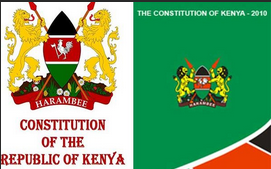
BAMT-104: Introduction to the Kenyan Constitution and Church Law
The Constitution of Kenya is the supreme law of Kenya, providing the legal foundation for the country's system of government and the rights of its citizens. The current Constitution was promulgated on August 27, 2010, replacing the previous one that had been in place since independence in 1963. Here is a brief description: The 2010 Constitution established Kenya as a sovereign republic with a presidential system of government, dividing power among the Executive, Legislature, and Judiciary to
- Lesson: 5
- Last Updated 02/06/2026
What will i learn??
- Introduction to the Kenyan Constitution and Church Law: Course Outcome Understand the supremacy of the 2010 Constitution of Kenya as the foundational legal framework governing all laws, including church law. Explore Chapter Four: The Bill of Rights, focusing on religious freedoms guaranteed under Articles 32 (freedom of conscience, religion, belief, and opinion) and 22 (enforcement of rights). Examine the constitutional recognition of Kadhi courts for Muslim personal law and the balance between secular and religious legal systems. Appreciate the role of the Constitution in protecting religious freedom while ensuring equality and non-discrimination among diverse faith communities in Kenya. Gain insight into how church law interacts with national law, including registration, rights, and limitations within Kenya’s pluralistic legal environment.
Curriculum for this course Lesson: 5
Section 1: BAMT-104: Introduction to the Kenyan Constitution and Church Law Lesson
- Lesson 1: BAMT-104: Introduction to the Kenyan Constitution and Church Law Course Outline
- Lesson 2: THE CONSTITUTION OF KENYA, 2010
Section 2: Unit 1: Key principles of the Kenyan Constitution (2010) Lesson
- Lesson 3: Unit 1: Key principles of the Kenyan Constitution (2010)
- Quiz 1: Key principles of the Kenyan Constitution (2010) Automated Quiz
- Assignment 1: Unit 1: Key principles of the Kenyan Constitution (2010) Assignment 1
- Assignment 2: Unit 1: Key principles of the Kenyan Constitution (2010) Assignment 2 CAT1
Section 3: Unit 2: Legal rights and responsibilities of the church Lesson
- Lesson 4: Unit 2: Legal rights and responsibilities of the church
Section 4: Unit 3: The role of clergy in civic life and national development Lesson
- Lesson 5: Unit 3: The role of clergy in civic life and national development
Description
The Constitution of Kenya is the supreme law of Kenya, providing the legal foundation for the country's system of government and the rights of its citizens. The current Constitution was promulgated on August 27, 2010, replacing the previous one that had been in place since independence in 1963. Here is a brief description: The 2010 Constitution established Kenya as a sovereign republic with a presidential system of government, dividing power among the Executive, Legislature, and Judiciary to ensure checks and balances. It introduced a devolved system of governance, creating 47 counties with their own governments to promote local participation and development. Key features include: Bill of Rights: The Constitution guarantees extensive rights and freedoms, including civil, political, economic, social, and cultural rights. Separation of Powers: It creates a clear separation among the Executive (headed by the President), the Legislature (Parliament: National Assembly and Senate), and the Judiciary (courts). Devolution: Power and resources are devolved to county governments, bringing services closer to the people. Independent Commissions: Several independent commissions are established to promote transparency, human rights, and good governance (e.g., IEBC, EACC, National Land Commission). Supremacy: Any law inconsistent with the Constitution is void, affirming its supremacy over all other laws. The Constitution set the framework for a more inclusive, accountable, and democratic governance system in Kenya. Get the Kenyan Constitution App at the Play Store. Go to https://play.google.com/store/apps/details?id=com.osoro.constitution_ke.
Other related courses

BAMT 204 - ICT for Ministry and Church Administration Course
BAMT 204 - ICT for Ministry and Church Administration: Course Description Equip students to integrate Information and Communication Technology effectively within church and ministry settings to enhance administration, communication, and outreach. Develop practical skills in managing church data systems, digital communication platforms, and technology-driven ministry tools for improved operational efficiency. Understand and apply biblical principles and theological foundations to c
Last Updated 02/06/2026
4 Lessons

BAMT-106 The Role of the Church in National
The Bachelor of Arts in Mission and Theology program is a comprehensive 2-year degree designed to equip students with the theological knowledge, ministry skills, and leadership capabilities necessary for effective service in the church and community. The program includes practical training in church leadership, mission strategies, youth engagement, and church-state relations, with an emphasis on understanding the Kenyan Constitution and the role of the clergy in national developm
Last Updated 05/06/2026
4 Lessons

BAMT-206 Christian Ethics and Social Justice. DR MWITI
This course explores the foundations and applications of Christian ethical principles within the context of social justice. Students will examine biblical teachings, theological perspectives, and historical Christian responses to issues such as poverty, inequality, human rights, and environmental stewardship. Through critical analysis and reflection, learners will consider how Christian values shape individual and collective actions toward creating a more just and compassionate society. The
Last Updated 05/06/2026
2 Lessons
Student Feedback
Average Rating