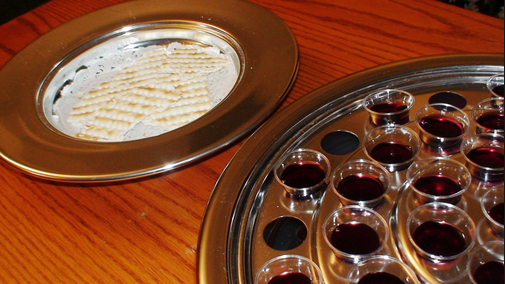
BAMT-207 Theology of Worship and Sacraments DR MWITI
This course provides a theological and historical examination of Christian worship and the sacraments as central expressions of the life and faith of the Church. Students will explore the biblical foundations of worship, the development of liturgical practice across Christian traditions, and the theological significance of the sacraments as means of grace. Special attention is given to the sacraments of Baptism and the Eucharist, as well as the rites associated with marriage, ordinat
- Lesson: 2
- Last Updated 05/06/2026
What will i learn??
- By the end of this programme, students will be able to: 1. Articulate the biblical and theological foundations of Christian ethics, with particular attention to themes of justice, mercy, and human dignity as revealed in Scripture. 2. Analyse key ethical theories and frameworks — including virtue ethics, deontological, and consequentialist approaches — and evaluate them in light of Christian moral teaching. 3. Examine the concept of social justice from a Christian perspective, exploring how faith commitments call believers to address poverty, inequality, oppression, and systemic injustice. 4. Engage critically with historical and contemporary social issues — including race, gender, economic disparity, and human rights — through the lens of Christian ethics. 5. Integrate a Christ-centred worldview into ethical decision-making in personal, professional, and public life. 6. Develop informed and compassionate responses to social challenges, drawing on Scripture, Church tradition, and ethical reasoning. 7. Demonstrate an understanding of the Church’s prophetic role in society as an advocate for justice, reconciliation, and the common good. 8. Apply ethical reflection to real-world scenarios, cultivating the capacity for moral reasoning that is both academically rigorous and spiritually grounded.
Curriculum for this course Lesson: 2
Section 1: BAMT-207 Theology of Worship and Sacraments Course Outline Lesson
- Lesson 1: BAMT-207 Theology of Worship and Sacraments Course Outline
Section 2: BAMT-207: Theology of Worship and Sacraments Notes Lesson
- Lesson 2: BAMT-207: Theology of Worship and Sacraments Notes
- Assignment 1: BAMT-207 Theology of Worship and Sacraments CAT
- Assignment 2: BAMT-207 Theology of Worship and Sacraments Assignment
Description
This course provides a theological and historical examination of Christian worship and the sacraments as central expressions of the life and faith of the Church. Students will explore the biblical foundations of worship, the development of liturgical practice across Christian traditions, and the theological significance of the sacraments as means of grace. Special attention is given to the sacraments of Baptism and the Eucharist, as well as the rites associated with marriage, ordination, reconciliation, and anointing of the sick.
Topics include the theology of the church year, the structure and planning of weekly worship, the role of ritual in forming Christian community, and the pastoral responsibilities of ministry leaders in leading congregational worship. Students will also examine ecumenical perspectives on sacramental theology and consider how worship shapes and reflects the identity of the Church in the world.
.
Other related courses
BAMT-104: Introduction to the Kenyan Constitution and Church Law
The Constitution of Kenya is the supreme law of Kenya, providing the legal foundation for the country's system of government and the rights of its citizens. The current Constitution was promulgated on August 27, 2010, replacing the previous one that had been in place since independence in 1963. Here is a brief description: The 2010 Constitution established Kenya as a sovereign republic with a presidential system of government, dividing power among the Executive, Legislature, and Judiciary to
Last Updated 02/06/2026
5 Lessons
BAMT 204 - ICT for Ministry and Church Administration Course
BAMT 204 - ICT for Ministry and Church Administration: Course Description Equip students to integrate Information and Communication Technology effectively within church and ministry settings to enhance administration, communication, and outreach. Develop practical skills in managing church data systems, digital communication platforms, and technology-driven ministry tools for improved operational efficiency. Understand and apply biblical principles and theological foundations to c
Last Updated 02/06/2026
4 Lessons
BAMT-106 The Role of the Church in National
The Bachelor of Arts in Mission and Theology program is a comprehensive 2-year degree designed to equip students with the theological knowledge, ministry skills, and leadership capabilities necessary for effective service in the church and community. The program includes practical training in church leadership, mission strategies, youth engagement, and church-state relations, with an emphasis on understanding the Kenyan Constitution and the role of the clergy in national developm
Last Updated 05/06/2026
4 Lessons
Student Feedback
Average Rating