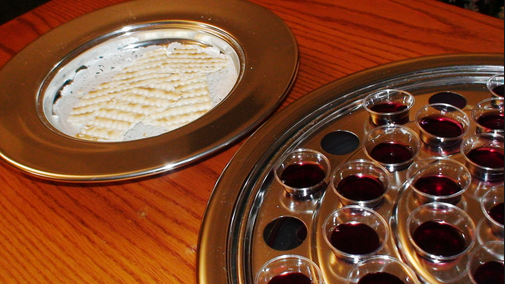
BAMT-207 Theology of Worship and Sacraments DR MWITI
This course provides a theological and historical examination of Christian worship and the sacraments as central expressions of the life and faith of the Church. Students will explore the biblical foundations of worship, the development of liturgical practice across Christian traditions, and the theological significance of the sacraments as means of grace. Special attention is given to the sacraments of Baptism and the Eucharist, as well as the rites associated with marriage, ordinat
- Lesson: 2
- Last Updated 10/27/2026
What will i learn??
- By the end of this programme, students will be able to: 1. Articulate the biblical and theological foundations of Christian ethics, with particular attention to themes of justice, mercy, and human dignity as revealed in Scripture. 2. Analyse key ethical theories and frameworks — including virtue ethics, deontological, and consequentialist approaches — and evaluate them in light of Christian moral teaching. 3. Examine the concept of social justice from a Christian perspective, exploring how faith commitments call believers to address poverty, inequality, oppression, and systemic injustice. 4. Engage critically with historical and contemporary social issues — including race, gender, economic disparity, and human rights — through the lens of Christian ethics. 5. Integrate a Christ-centred worldview into ethical decision-making in personal, professional, and public life. 6. Develop informed and compassionate responses to social challenges, drawing on Scripture, Church tradition, and ethical reasoning. 7. Demonstrate an understanding of the Church’s prophetic role in society as an advocate for justice, reconciliation, and the common good. 8. Apply ethical reflection to real-world scenarios, cultivating the capacity for moral reasoning that is both academically rigorous and spiritually grounded.
Curriculum for this course Lesson: 2
Section 1: BAMT-207 Theology of Worship and Sacraments Course Outline Lesson
- Lesson 1: BAMT-207 Theology of Worship and Sacraments Course Outline
Section 2: BAMT-207: Theology of Worship and Sacraments Notes Lesson
- Lesson 2: BAMT-207: Theology of Worship and Sacraments Notes
- Assignment 1: BAMT-207 Theology of Worship and Sacraments CAT
- Assignment 2: BAMT-207 Theology of Worship and Sacraments Assignment
Description
This course provides a theological and historical examination of Christian worship and the sacraments as central expressions of the life and faith of the Church. Students will explore the biblical foundations of worship, the development of liturgical practice across Christian traditions, and the theological significance of the sacraments as means of grace. Special attention is given to the sacraments of Baptism and the Eucharist, as well as the rites associated with marriage, ordination, reconciliation, and anointing of the sick.
Topics include the theology of the church year, the structure and planning of weekly worship, the role of ritual in forming Christian community, and the pastoral responsibilities of ministry leaders in leading congregational worship. Students will also examine ecumenical perspectives on sacramental theology and consider how worship shapes and reflects the identity of the Church in the world.
.
Other related courses
SOTERIOLOGY(The Doctrine of Salvation)
Course Outline (Units/Modules) Unit 1: Introduction to Soteriology Definition and scope of Soteriology Relationship of Soteriology to other doctrines (Christology, Pneumatology, Ecclesiology, Eschatology) Biblical overview of salvation history (Creation, Fall, Redemption, Consummation) Unit 2: The Human Condition and the Need for Salvation Doctrine of sin (Hamartiology) – origin, nature, and consequences The fall of humanity and total depravity The justice and holiness of God Th
Last Updated 11/08/2025
2 Lessons
The Role of the Church in National Development
Course Outline & Units
Unit 1: Introduction to Church and National Development
Meaning of development: economic, social, moral, and spiritual dimensions.
Theological foundation of the Church’s mission in society.
The Church as salt and light (Matthew 5:13-16).
Unit 2: Historical Role of the Church in Nation-Building
Early church contributions to education and healthcare.
Missionary impact on literacy, agriculture, and civilization.
The Church’s role in Afric
Last Updated 11/08/2025
3 Lessons
THE ROLE OF THE CHURCH FOR NATIONAL DEVELOPMENT
Course Outline & Units
Unit 1: Introduction to Church and National Development
Meaning of development: economic, social, moral, and spiritual dimensions.
Theological foundation of the Church’s mission in society.
The Church as salt and light (Matthew 5:13-16).
Unit 2: Historical Role of the Church in Nation-Building
Early church contributions to education and healthcare.
Missionary impact on literacy, agriculture, and civilization.
The Church’s role in
Last Updated 11/08/2025
3 Lessons
Student Feedback
Average Rating